Complete Whole House Pest Control in Kolkata: What Every Homeowner Should Know
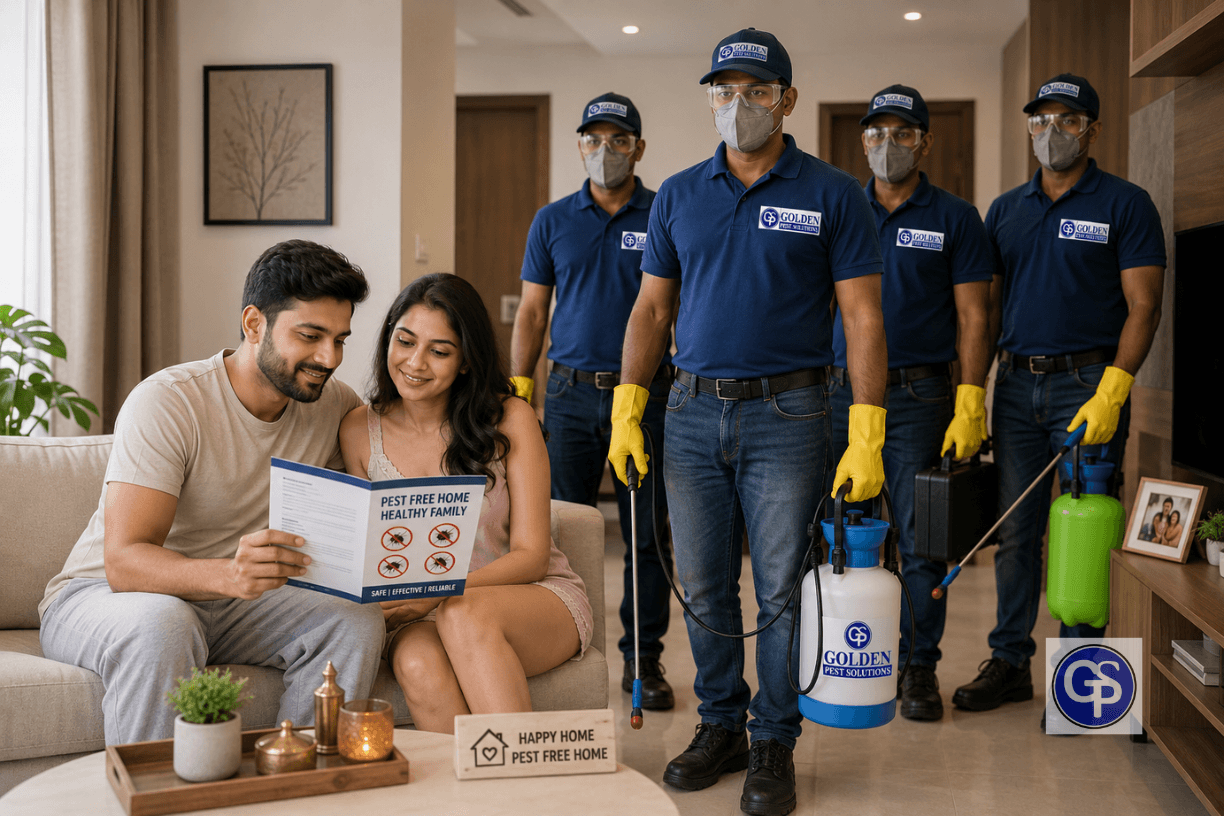
Have you noticed cockroaches in your kitchen, ants near food, spiders in corners, or rodents in your ceiling? Many homeowners solve one pest problem only to discover another a few weeks later. This happens because treating a single room rarely addresses the root cause of an infestation. Whole house pest control is a comprehensive approach that protects every part of your property instead of focusing on only the pests you can see. Professional technicians inspect the entire home, identify entry points, locate nesting areas, eliminate active infestations, and create barriers that help prevent pests from returning.
In Kolkata, whole-house treatment is even more important because the city’s warm temperatures, high humidity, monsoon rainfall, dense housing, aging buildings, and open drainage systems create ideal conditions for many household pests throughout the year.
Whether you live in a 1 BHK apartment, a multi-storey home, or an independent house, understanding how whole-house pest control works can help you protect your family’s health, furniture, food storage, and property investment.
In this guide, you’ll learn:
- What whole house pest control actually includes
- Why treating only one room usually fails
- Which pests are most common in Kolkata homes
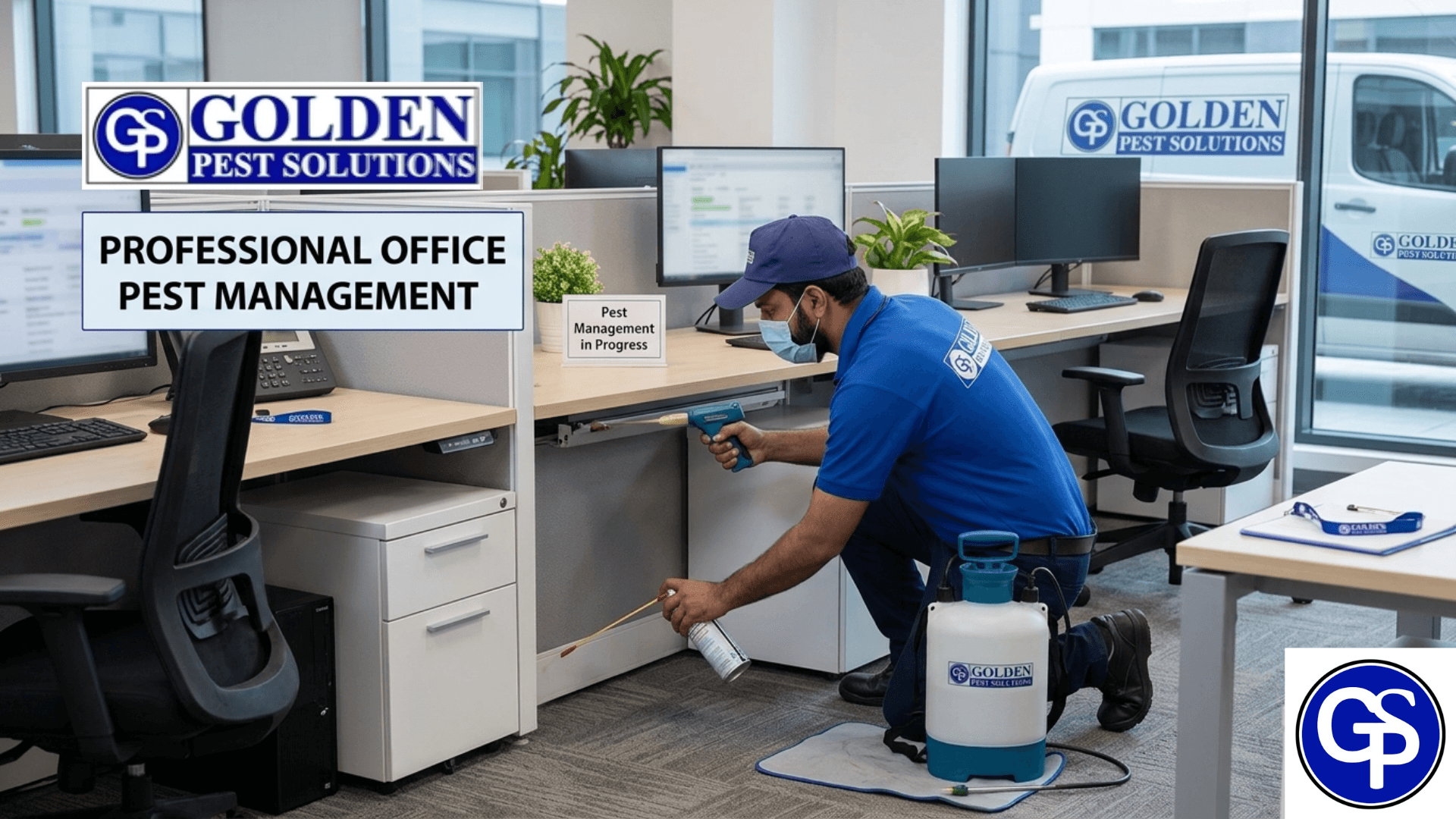
- How professional pest control technicians inspect a property
- What treatment methods are used for different pests
- Typical pest control costs in Kolkata
- How often your home should be treated
- How to keep pests away after treatment
You’ll also discover how preventive maintenance can save homeowners from expensive repairs caused by termites, rodents, and recurring insect infestations.
What Is Whole House Pest Control?
Whole house pest control is a planned inspection, treatment, monitoring, and prevention process that covers your entire property rather than only the room where pests are visible.
Many people believe pest control simply means spraying chemicals around the house. In reality, modern pest management is far more systematic.
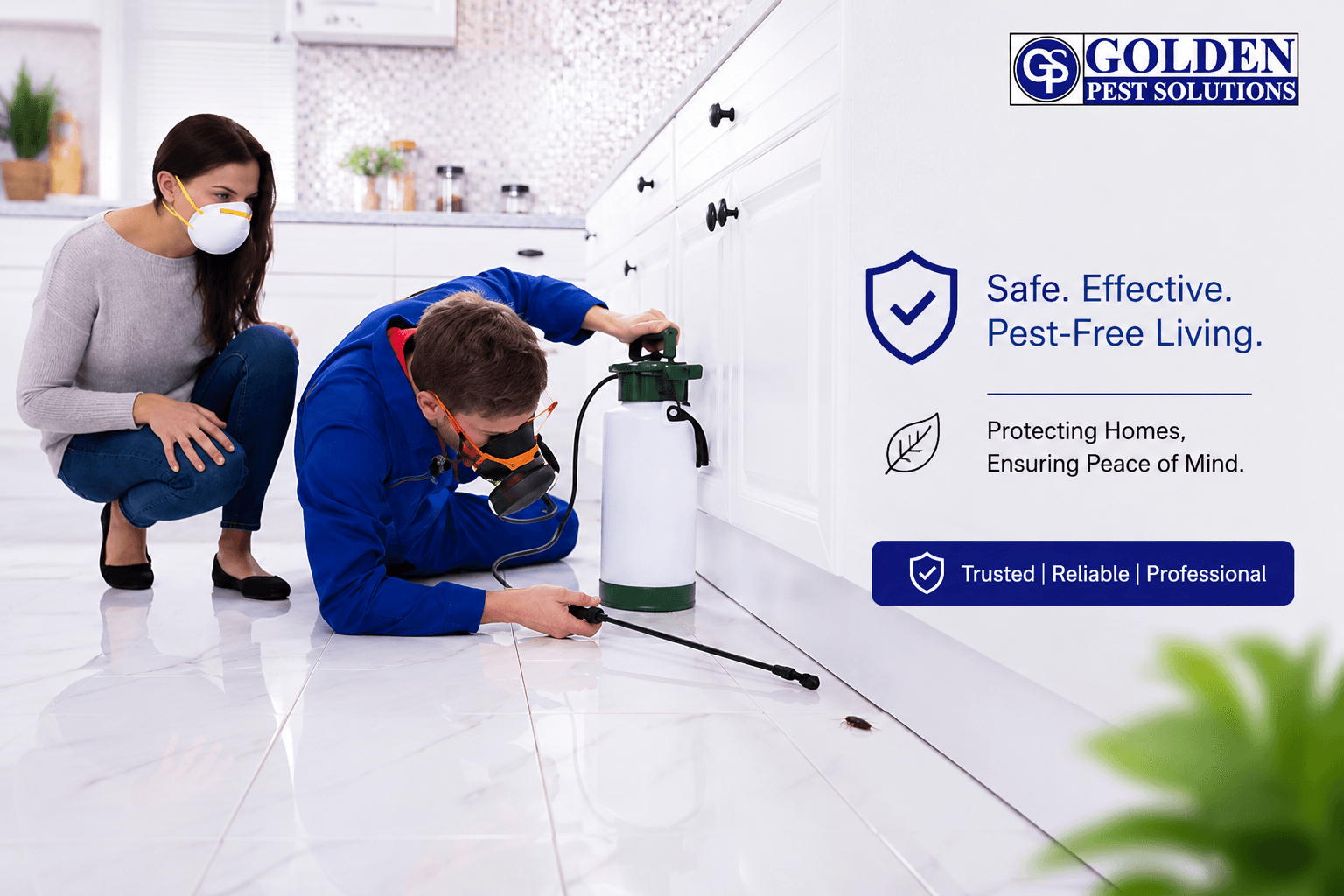
A professional technician looks at how pests enter, survive, feed, and reproduce inside your home before selecting the appropriate treatment.
A complete whole-house pest control service generally includes:
- Interior inspection of all rooms
- Kitchen and food storage treatment
- Bathroom and drainage inspection
- Bedroom inspection for bed bugs or hidden insects
- Furniture and wooden structure examination
- Exterior perimeter treatment
- Identification of moisture problems
- Detection of pest entry points
- Recommendations for long-term prevention
Rather than killing only the insects that are visible, the goal is to interrupt the pest life cycle and reduce the conditions that allow infestations to continue.
Why Treating Only One Room Usually Doesn’t Work
This is one of the biggest misconceptions homeowners have.
Imagine finding cockroaches in your kitchen. Spraying only the kitchen may kill the insects you see today, but it doesn’t remove the hidden population living inside wall voids, drainage pipes, electrical conduits, false ceilings, or utility shafts.
The same applies to many household pests.
Cockroaches
German cockroaches spend most of their time hiding inside narrow cracks and crevices. During the day, you may see only a small percentage of the actual infestation. The rest remain hidden close to food, moisture, and warmth.
Ants
The ants visible on your kitchen counter are only the workers. Their colony, including the queen, is usually hidden inside wall cavities, soil, garden beds, or under flooring. Eliminating workers alone rarely solves the problem.
Rodents
If you notice a rat running through your kitchen, there’s a good chance it is using multiple routes through the building. Rodents often nest inside ceilings, storage rooms, utility spaces, and wall cavities.
Termites
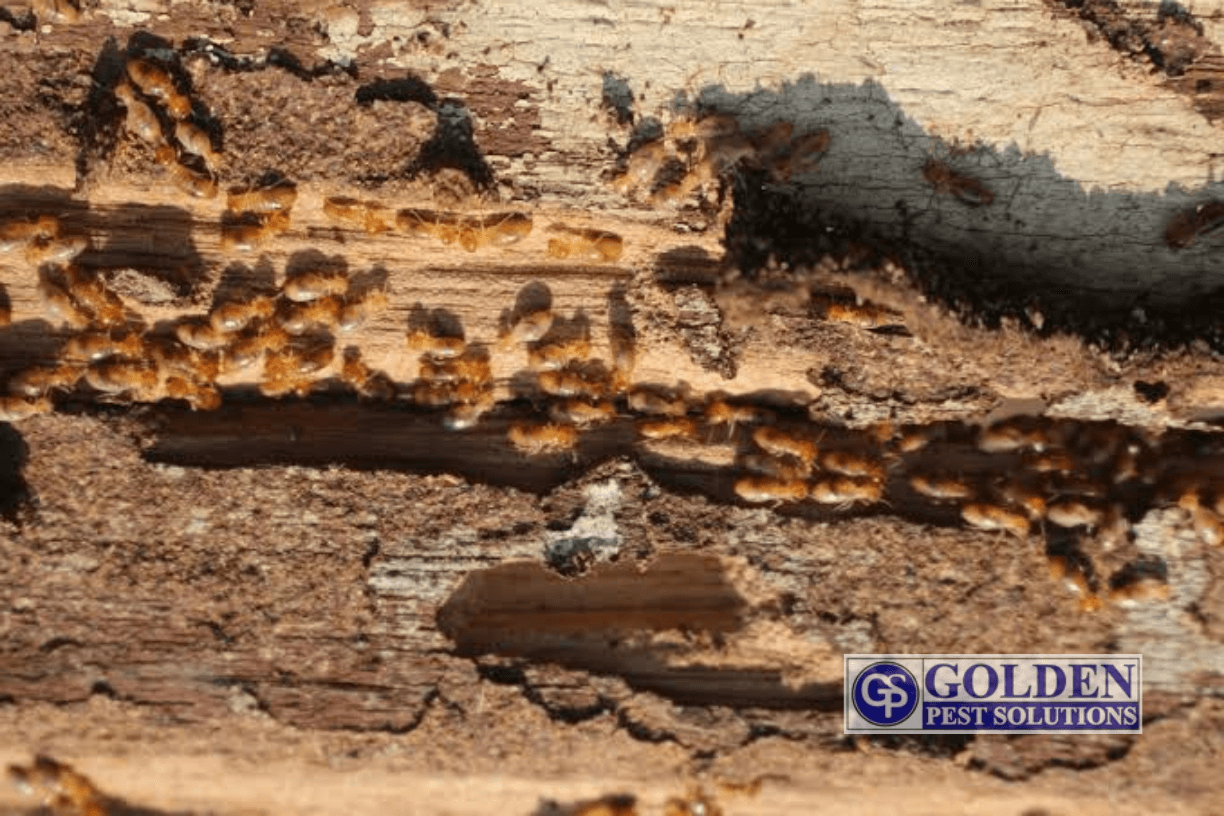
Termites are sometimes called silent destroyers because they feed inside wooden structures, door frames, furniture, and wall cavities while remaining hidden for months or even years. By the time visible signs appear, significant damage may already have occurred.
This is why experienced residental pest control technicians inspect the entire property, not just the room where the complaint originated.
Expert Insight: In many homes, the place where pests are first noticed is not where the infestation actually started. Moisture sources, structural gaps, and hidden nesting sites often exist in completely different parts of the building.
Why Whole House Pest Control Is Especially Important in Kolkata
Kolkata presents unique challenges for homeowners when it comes to pest management.
Unlike regions with long cold winters that naturally reduce insect activity, Kolkata experiences weather that allows many pests to remain active throughout most of the year.
Several local factors contribute to recurring infestations:
High Humidity
Cockroaches, termites, silverfish, and mould-related insects thrive in humid conditions. Bathrooms, kitchens, and storage spaces often become ideal breeding environments.
Monsoon Season
Heavy rainfall forces rodents, ants, cockroaches, and other pests to move indoors in search of dry shelter and food.
Dense Residential Areas
Closely built houses and apartment complexes make it easier for pests to spread between neighbouring properties through drainage systems, shared walls, pipelines, and utility ducts.
Older Buildings
Many older homes in Kolkata have cracks, wooden structures, ageing plumbing, and moisture problems that create ideal hiding places for termites and cockroaches.
Food Availability
Improperly sealed food containers, overflowing dustbins, pet food, and organic waste provide a continuous food source for many household pests.
Because these conditions often exist together, treating a single pest without inspecting the rest of the property usually provides only temporary relief.
Common Household Pests That Require Whole House Treatment
A comprehensive pest control program addresses multiple pest species because different pests often share the same environmental conditions.
| Pest | Common Hiding Areas | Why They Are a Problem |
|---|---|---|
| Cockroaches | Kitchens, bathrooms, drains, cabinets | Can contaminate food and surfaces with bacteria and allergens. |
| Termites | Wooden furniture, door frames, wall cavities, foundations | Cause hidden structural damage and weaken wooden components over time. |
| Ants | Kitchens, wall cracks, gardens, electrical conduits | Invade food storage areas and establish large colonies if left untreated. |
| Rodents | False ceilings, storerooms, kitchens, utility shafts | Damage wiring, contaminate food, and spread disease-causing organisms. |
| Spiders | Corners, ceilings, balconies, storerooms | Usually indicate the presence of other insects that serve as their food source. |
| Silverfish | Bathrooms, libraries, wardrobes | Feed on paper, glue, books, and fabrics, especially in humid environments. |
| Bed Bugs | Mattresses, bed frames, upholstered furniture | Feed on human blood and spread rapidly through luggage and furniture. |
| Mosquitoes | Standing water, balconies, gardens | Can transmit diseases such as dengue, malaria, and chikungunya. |
Signs Your Home May Need Whole House Pest Control
Many infestations begin long before homeowners notice live pests.
Watch for these early warning signs:
- Droppings in kitchen cabinets or storage areas
- Mud tubes along walls or foundations (a common sign of subterranean termites)
- Hollow-sounding wooden furniture or door frames
- Greasy marks along walls from rodent activity
- Unpleasant musty or oily odours in hidden spaces
- Shed insect wings near windows or doors
- Repeated sightings of cockroaches during daylight
- Scratching noises inside ceilings or walls at night
- Ant trails appearing in multiple rooms
- Spider webs increasing throughout the house
The earlier these signs are investigated, the easier and more cost-effective treatment is likely to be.
How Professional Pest Control Experts Inspect an Entire Home
One of the biggest differences between DIY products and professional whole-house pest control is the inspection.
A trained technician doesn’t simply arrive with a spray tank. The inspection is used to understand why pests are present, where they are living, and how they are entering the property.
A typical whole-house inspection includes:
Exterior Assessment
- Foundation walls
- Garden areas
- Boundary walls
- Water drainage points
- Exterior cracks
- Utility pipe entry points
Interior Assessment
- Kitchen cabinets
- Bathrooms
- Storage rooms
- False ceilings
- Wardrobes
- Wooden furniture
- Window frames
- Door frames
- Electrical conduits
- Plumbing areas
Risk Assessment
The technician also looks for conditions that encourage pest activity, such as:
- Water leaks
- Excess humidity
- Poor ventilation
- Food debris
- Clutter
- Unsealed wall openings
- Damaged door sweeps
Rather than applying the same treatment everywhere, professionals use the inspection findings to develop a treatment plan that matches the specific pest pressure and layout of the property.
Homeowner Tip: If you suspect termite activity, don’t wait until visible damage appears. Early detection can significantly reduce repair costs. At Golden Pest Solutions, we provide a Free Termite Inspection to help homeowners identify termite activity before it leads to major structural damage. Eligible termite treatments also come with warranties of up to 10 years, giving homeowners long-term peace of mind.
How Does Whole House Pest Control Actually Work?
Many homeowners imagine pest control as someone spraying chemicals around the house and leaving within an hour. While spraying may be part of the process, professional whole house pest control is a planned treatment strategy designed to eliminate existing pests and reduce the chances of future infestations.
Every home is different. A modern apartment in Salt Lake has different pest challenges than an independent house in Behala or an older property in North Kolkata. That’s why experienced technicians adjust the treatment plan based on:
- Type of pest
- Severity of infestation
- Property size
- Construction style
- Moisture conditions
- Presence of children, pets, or elderly family members
Rather than relying on a single product, professionals often combine multiple treatment methods for better long-term results.
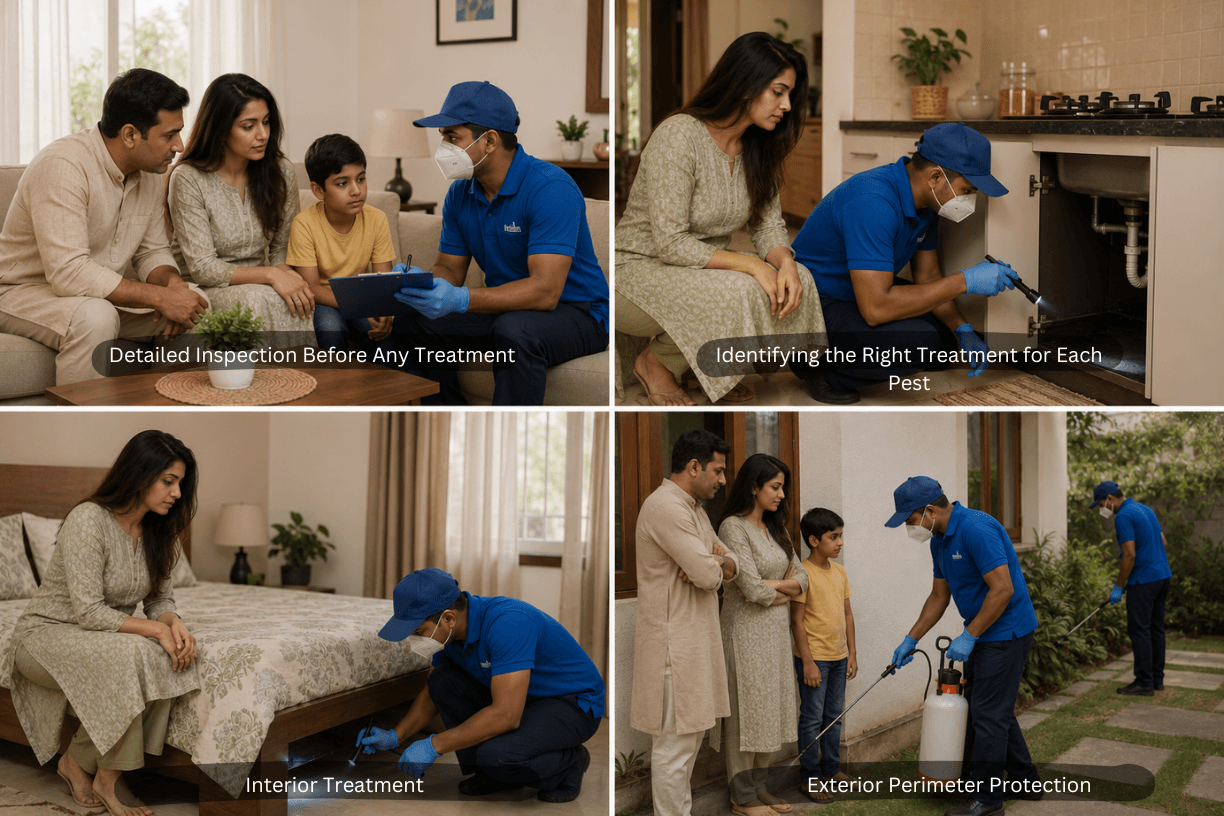
Step 1: Detailed Inspection Before Any Treatment
A professional service should never begin by spraying first.
The first step is understanding why pests are present.
During inspection, technicians identify:
- Active pest species
- Entry points
- Nesting areas
- Water sources
- Food sources
- Structural damage
- Hidden infestations
- Previous pest control failures
For termites, technicians may inspect:
- Wooden furniture
- Door frames
- Window frames
- Flooring
- Wall skirting
- False ceilings
- Store rooms
Since termites often remain hidden inside wood or below the floor, visual inspection alone may not reveal the full extent of an infestation.
That’s one reason why Golden Pest Solutions offers a Free Termite Inspection, helping homeowners detect termite activity before extensive structural damage occurs.
Step 2: Identifying the Right Treatment for Each Pest
Different pests require different control methods.
Using the wrong treatment wastes both time and money.
| Pest | Common Professional Treatment |
|---|---|
| Cockroaches | Gel baiting, residual spray, and ongoing monitoring. |
| Ants | Colony baiting combined with crack and crevice treatment. |
| Termites | Drilling, chemical injection, soil treatment, and wood protection. |
| Rodents | Bait stations, trapping, and proofing to block entry points. |
| Bed Bugs | Multiple targeted treatment cycles to eliminate bugs and eggs. |
| Mosquitoes | Source reduction, larval control, and fogging where appropriate. |
| Spiders | Web removal followed by residual insecticide treatment. |
Instead of treating every pest the same way, professionals select products based on the biology and behaviour of each species.
Step 3: Interior Treatment
The inside of the house is treated according to pest activity.
Common treatment areas include:
- Kitchen cabinets
- Sink areas
- Bathroom corners
- Utility rooms
- Store rooms
- Wall junctions
- Pipe openings
- Window frames
- Behind refrigerators
- Behind washing machines
For cockroaches, technicians often use gel bait technology because it targets hidden populations without the need to spray every surface.
Gel bait works differently from conventional sprays.
Cockroaches feed on the bait and carry tiny amounts back to their hiding places, where other cockroaches consume contaminated droppings or dead insects. This secondary transfer can reduce a larger portion of the colony than spraying alone.
Step 4: Exterior Perimeter Protection
One of the biggest reasons infestations return is that pests continue entering from outside.
Professional whole-house pest control often includes treating:
- Building foundation
- Garden edges
- Drainage lines
- Entry doors
- Utility pipes
- Exterior wall cracks
- Balcony areas
Creating a treated perimeter helps reduce the number of crawling insects entering the home.
However, no treatment creates an impenetrable barrier forever. Weather, cleaning, construction work, and heavy rainfall can reduce its effectiveness over time, which is why periodic maintenance is recommended.
Step 5: Monitoring and Follow-Up
Professional pest control doesn’t always end after one visit.
Depending on the pest, technicians may recommend:
- Follow-up inspections
- Monitoring stations
- Additional bait replacement
- Repeat treatments
- Preventive maintenance
This is especially important for:
- Bed bugs
- Termites
- Rodents
- Severe cockroach infestations
Why Do Pests Return After Treatment?
One of the most common questions homeowners ask is:
“We had pest control done. Why are cockroaches back?”
The answer isn’t always that the treatment failed.
In many cases, pests return because the conditions that attracted them haven’t changed.
Common reasons include:
1. Eggs Survive
Many insecticides are designed to kill active insects but may not destroy every egg.
Once those eggs hatch, new insects appear.
For some pests, technicians schedule repeat visits to interrupt the life cycle.
2. Neighbouring Infestations
In apartment buildings, pests can migrate through:
- Drain pipes
- Utility ducts
- Shared walls
- Ceiling voids
Even after successful treatment, pests may enter from adjacent units if neighbouring infestations remain untreated.
3. Moisture Problems
Leaking pipes, damp walls, and poor drainage provide ideal conditions for:
- Cockroaches
- Silverfish
- Termites
- Ants
Until moisture issues are corrected, pests may continue returning.
4. Food Sources Remain
Open food containers, pet food left overnight, overflowing bins, and grease accumulation encourage pest activity.
Professional treatment works best when combined with good sanitation practices.
5. Entry Points Are Still Open
Small gaps around:
- Windows
- Plumbing
- Air-conditioner pipes
- Doors
- Utility lines
allow pests to keep entering.
This is why exclusion work is an important part of Integrated Pest Management (IPM).
The Science Behind Repeat Treatments
Homeowners sometimes worry when they still see insects a few days after pest control.
In many situations, this is expected.
Some professional products have a delayed mode of action.
Instead of killing insects instantly, they allow pests to carry the treatment back to hidden colonies.
For example:
Cockroaches
A single female German cockroach can produce multiple egg capsules during her lifetime, and each capsule may contain dozens of developing young. If only the active adults are eliminated, newly hatched nymphs can restart the infestation. Follow-up treatments help interrupt this cycle.
Bed Bugs
Bed bug eggs are protected by a tough outer shell, making them less susceptible to many treatments. Because eggs hatch over time, technicians often schedule multiple visits rather than relying on a single application.
Termites
A termite colony may contain thousands or even hundreds of thousands of individuals. Eliminating only the visible termites doesn’t necessarily destroy the entire colony, which is why professional termite management focuses on the colony itself, not just surface activity.
DIY Pest Control vs Professional Whole House Pest Control
| DIY Pest Control | Professional Whole House Pest Control |
|---|---|
| Usually treats only visible pests. | Targets both visible pests and hidden infestations. |
| Uses limited over-the-counter products. | Uses professional-grade products applied according to label directions. |
| No detailed property inspection. | Includes a complete property inspection before treatment. |
| Provides temporary relief. | Focuses on long-term pest management. |
| Often relies on one product for many pests. | Uses pest-specific treatment methods for better results. |
| No ongoing monitoring or prevention. | Includes follow-up recommendations and preventive planning. |
DIY sprays may provide short-term relief for minor problems, but recurring infestations often require a broader approach that includes inspection, treatment, exclusion, and monitoring.
How Much Does Whole House Pest Control Cost in Kolkata?
This is one of the most searched questions by homeowners.
The cost depends on several factors, including:
- Property size
- Number of rooms
- Pest species
- Severity of infestation
- Treatment method
- Number of visits required
- Whether you choose a one-time service or an Annual Maintenance Contract (AMC)
For general household pests such as cockroaches, ants, spiders, and silverfish, annual protection plans are often more cost-effective than repeated one-time visits.
Example Residential AMC Pricing
| Property Size | 1-Year Contract (4 Services) | 2-Year Contract (8 Services) |
|---|---|---|
| 300–600 sq. ft. | ₹1,800 | ₹3,200 |
| 700–800 sq. ft. | ₹2,000 | ₹3,600 |
| 900–1200 sq. ft. | ₹2,400 | ₹4,400 |
| 1300–1700 sq. ft. | ₹2,900 | ₹5,400 |
| 1800–2000 sq. ft. | ₹3,500 | ₹6,500 |
Prices shown are based on Golden Pest Solutions’ current residential rate chart and may vary depending on inspection findings, pest type, and treatment requirements.
For specialized services like termite control or bed bug treatment, pricing depends on factors such as built-up area, infestation severity, and the treatment method required. A site inspection is the most accurate way to determine the cost.
Special Offers for Homeowners
To make preventive pest management more accessible, Golden Pest Solutions currently provides:
- Free Termite Inspection
- Warranty up to 10 Years on eligible termite treatments
- 15% Off Cockroach Pest Control
These offers help homeowners detect problems early and reduce the long-term cost of pest-related damage.
Expert Takeaway
Whole-house pest control is most effective when it combines inspection, targeted treatment, exclusion, and ongoing monitoring. Spraying alone rarely solves recurring infestations. By understanding how pests enter, survive, and reproduce, professionals can develop a treatment plan tailored to your home rather than relying on a one-size-fits-all approach.
Is an Annual Pest Control Contract (AMC) Worth It?
Many homeowners only call a pest control company after they see cockroaches in the kitchen or termites damaging wooden furniture. While this solves the immediate problem, it doesn’t always prevent new infestations.
An Annual Maintenance Contract (AMC) is designed to protect your home throughout the year with scheduled inspections and preventive treatments.
Instead of waiting for pests to multiply, technicians inspect your property at regular intervals and treat areas where pest activity is likely to begin.
For homes in Kolkata, where pests remain active for most of the year due to warm and humid conditions, preventive maintenance often provides better long-term value than repeated emergency treatments.
Benefits of an AMC
- Scheduled pest inspections
- Regular preventive treatments
- Early detection of termite activity
- Lower risk of severe infestations
- Better protection for kitchens and food storage areas
- Reduced chances of rodents entering the property
- Long-term cost savings compared to repeated one-time treatments
If your home has experienced recurring pest problems in the past, an AMC can help break the infestation cycle before it becomes expensive to manage.
One-Time Treatment vs Annual Maintenance Contract
| Feature | One-Time Service | Annual Maintenance Contract |
|---|---|---|
| Eliminates active pests | ✅ | ✅ |
| Preventive inspections | ❌ | ✅ |
| Multiple scheduled visits | ❌ | ✅ |
| Better for recurring infestations | ❌ | ✅ |
| Long-term protection | Limited | Excellent |
| Cost-effective over time | Sometimes | Usually Yes |
Expert Recommendation: If you live in Kolkata and have faced repeated cockroach, ant, or rodent problems, an AMC is often a more practical choice than booking multiple one-time treatments throughout the year.
Kolkata’s Seasonal Pest Calendar
One aspect often missing from generic pest control articles is how pest activity changes with the seasons. Kolkata’s climate influences which pests are most active at different times of the year.
| Season | Common Pest Activity | Homeowner Advice |
|---|---|---|
| January – February | Rodents, Cockroaches | Inspect storage rooms, kitchens, and food storage areas. |
| March – May | Termites, Ants, Cockroaches | Schedule preventive termite inspections before the monsoon season. |
| June – September (Monsoon) | Mosquitoes, Cockroaches, Rodents, Ants | Remove standing water, inspect drainage systems, and seal pest entry points. |
| October – November | Termites, Spiders, Rodents | Inspect wooden furniture, false ceilings, and hidden spaces for pest activity. |
| December | Rodents, Cockroaches | Store food securely and inspect utility rooms and storage areas. |
Why the Monsoon Increases Pest Problems
Heavy rainfall often floods underground nesting areas. As a result, pests such as cockroaches, ants, and rodents move indoors looking for food, warmth, and dry shelter.
Many homeowners assume the treatment has failed when pests become more visible during the rainy season. In reality, changing weather conditions often force pests out of their hiding places.
Before Pest Control: A Simple Preparation Checklist
Preparing your home helps technicians access treatment areas more effectively.
Kitchen
- Store food in airtight containers.
- Clear countertops.
- Cover or remove utensils if instructed.
Living Room & Bedrooms
- Move furniture slightly away from walls where possible.
- Keep toys and personal belongings off the floor.
Bathrooms
- Ensure drains are accessible.
- Report any leaking pipes or damp areas.
Pets
- Keep pets away from treatment areas during application.
- Cover fish tanks or relocate them temporarily if advised.
Children
- Keep children away from active treatment zones until it is safe to re-enter.
Following the technician’s preparation instructions can improve treatment effectiveness. Learn More about pest control safe or not read our blog Is Pest Control Good for Home
After Pest Control: What Homeowners Should Do
Proper aftercare is just as important as the treatment itself.
Do:
- Allow treated surfaces to dry completely before use.
- Ventilate rooms if recommended by the technician.
- Continue maintaining good kitchen hygiene.
- Store food properly.
- Monitor pest activity over the following days.
Avoid:
- Mopping directly along treated skirting boards immediately after treatment (follow your technician’s guidance).
- Washing away treated areas too soon.
- Blocking bait placements.
- Assuming all pests will disappear instantly.
Some products continue working over several days, especially bait-based treatments.
10 Expert Tips to Keep Your Home Pest-Free
Professional treatment works best when combined with simple preventive habits.
1. Repair Water Leaks Quickly
Moisture attracts cockroaches, termites, silverfish, and ants.
2. Store Food Properly
Use airtight containers for grains, sugar, flour, and pet food.
3. Empty Dustbins Daily
Organic waste provides food for many pests.
4. Seal Small Cracks
Even tiny openings around pipes and doors can become pest entry points.
5. Keep Kitchen Grease Under Control
Grease accumulation attracts cockroaches and ants.
6. Trim Plants Near Exterior Walls
Dense vegetation provides shelter for insects and rodents.
7. Remove Standing Water
This helps reduce mosquito breeding.
8. Inspect Wooden Furniture Regularly
Look for mud tubes, hollow sounds, or discarded wings that may indicate termite activity.
9. Avoid Cardboard Clutter
Stored cardboard provides hiding places for cockroaches, silverfish, and rodents.
10. Schedule Preventive Inspections
Regular inspections can detect pest problems before they become major infestations.
Common Pest Control Myths vs Facts
| Myth | Fact |
|---|---|
| Pest control is only needed when you see pests. | Many infestations begin long before pests become visible. |
| One spray solves every pest problem. | Different pests require different treatment methods. |
| DIY products are always enough. | They may help with minor issues but often do not address hidden infestations. |
| Clean homes never have pests. | Even spotless homes can experience pest problems due to moisture, structural gaps, or nearby infestations. |
| Seeing a few pests after treatment means it failed. | Some treatments require time to affect hidden populations or newly emerging insects. |
How to Choose the Right Pest Control Company in Kolkata
Not every service provider follows the same treatment standards. Before hiring a company, consider these factors:
- Do they inspect the property before recommending treatment?
- Are they transparent about the treatment process?
- Do they explain what is and isn’t covered?
- Do they provide written guidance for preparation and aftercare?
- Do they offer follow-up support if needed?
- Are warranties available for eligible treatments?
- Can they tailor the treatment to your specific pest problem instead of using a one-size-fits-all approach?
A professional company should focus on solving the root cause of the infestation, not just treating visible pests.
Homeowner Benefit: At Golden Pest Solutions, homeowners can take advantage of a Free Termite Inspection to identify hidden termite activity early. Eligible termite treatments include warranties of up to 10 years, and there’s currently a 15% discount on Cockroach Pest Control, making preventive treatment more affordable.
Learn More about Which Pest Control for Apartments Works Best
What Makes a Whole House Pest Control Plan Effective?
An effective pest control plan doesn’t rely on a single product or a single visit. It combines several key elements:
- A detailed inspection to identify pest activity and risk factors.
- Targeted treatments based on the pest species.
- Sealing entry points where practical.
- Advice on sanitation and moisture control.
- Follow-up inspections when needed.
- Preventive maintenance to reduce future infestations.
This integrated approach is more sustainable than repeatedly treating the same problem after it reappears.
Frequently Asked Questions (FAQs)
What is whole house pest control?
Is whole house pest control worth it?
How much does whole house pest control cost in Kolkata?
How often should a home receive pest control?
Does one pest control treatment eliminate all pests?
Is pest control safe for children and pets?
Why do I still see cockroaches after pest control?
Can pest control permanently remove termites?
What are the signs that my home needs professional pest control?
- Frequent cockroach sightings
- Mud tubes on walls or foundations
- Rodent droppings
- Hollow-sounding wood
- Ant trails
- Unusual scratching sounds inside walls or ceilings
- Shed insect wings
- Persistent foul odours in hidden spaces
Does Golden Pest Solutions offer termite inspections?
Final Thoughts
Whole house pest control isn’t about spraying every corner of your home it’s about understanding why pests are there in the first place.
A professional approach combines inspection, targeted treatment, monitoring, and preventive advice to protect your property over the long term. Whether you’re dealing with cockroaches in the kitchen, termites in wooden furniture, rodents in the ceiling, or ants entering through tiny cracks, identifying the source of the problem is just as important as eliminating the pests you can see.
For homeowners in Kolkata, where warm temperatures and seasonal humidity create ideal conditions for many pests, preventive care can help reduce costly damage and recurring infestations.
If you’ve noticed signs of pest activity or simply want peace of mind a professional inspection is often the best first step.
At Golden Pest Solutions, we help homeowners with complete whole house pest control solutions, including Free Termite Inspection, Warranty up to 10 Years on eligible termite treatments, and 15% Off Cockroach Pest Control, helping you protect your home with confidence.