Why Does DIY Pest Control Often Fail?
DIY pest control often fails because it treats visible pests instead of eliminating the actual cause of the infestation. Store-bought sprays, traps, and home remedies may reduce pest activity temporarily, but they usually do not address hidden nests, breeding areas, entry points, or environmental conditions that allow pests to survive.
In Kolkata, India, most homeowners opt for do-it-yourself (DIY) pest control, which they view as convenient and cost-effective. The three most common tools they use are cockroach sprays, ant powder, and mousetraps. However, this self-managed pest control has a critical core limitation: the root cause of pest infestations can never be eliminated by these superficial, surface-level operations. The five core requirements of professional pest management accurately identifying pest types, locating the source of infestations, mastering pest habits, implementing targeted treatments, and carrying out preventive monitoring enable the achievement of long-term, reliable pest control.

Why Does DIY Pest Control Fail?
1. DIY Pest Control Fails Because It Does Not Target the Root Cause
The main reason DIY pest control fails is that it removes visible pests but often leaves the infestation source untouched. Most homeowners treat the pest they see, not the area where pests are living and reproducing.
Example: Cockroach Infestation
A homeowner sprays cockroaches found near the kitchen sink. The visible cockroaches disappear.
But the actual infestation may still exist in:
- Kitchen cabinets
- Drainage gaps
- Cracks behind appliances
- Moist areas under sinks
After a few weeks, new cockroaches appear because the breeding population was never eliminated.
The same principle applies to:
- Ant colonies
- Termite colonies
- Rodent nests
- Bed bug hiding areas
Professional pest control focuses on locating the source rather than only treating surface activity.
2. Store-Bought Pest Control Products Often Provide Temporary Results
Like it’s told previously most DIY products are designed to reduce visible pest activity, not provide complete infestation control. Retail sprays, powders, and traps can be useful for minor pest issues, but they usually have limitations.
| DIY Product | What It Can Do | What It Usually Cannot Do |
|---|---|---|
| Cockroach Spray | Kills exposed cockroaches that come in direct contact with the spray | Cannot remove hidden colonies, breeding areas, or egg cases |
| Ant Powder | Reduces visible ant activity around treated areas | Cannot eliminate the queen or destroy the complete colony |
| Rodent Trap | Can catch individual rodents inside the property | Cannot block entry points or remove nesting areas |
| Mosquito Spray | Reduces adult mosquito activity in treated areas | Cannot eliminate breeding sources or hidden larvae |
For example, killing a few worker ants does not destroy the colony because the queen and nesting area remain active.
3. Wrong Pest Identification Leads To Ineffective Treatment
DIY pest control often fails because homeowners use the wrong treatment for the wrong pest. Different pests behave differently and require different control methods. A product effective against one pest may have little impact on another.
Examples:
Cockroaches
Require attention to:
- Harbourage areas
- Food sources
- Moisture conditions
- Breeding locations
Termites
Cannot usually be solved by surface spraying because colonies may exist:
- Inside walls
- Below flooring
- Inside wooden structures
Bed Bugs
Require treatment of:
- Mattress seams
- Furniture joints
- Cracks
- Hidden resting areas
Correct identification is the first step in professional pest management because treatment depends on pest biology and behaviour.
4. Incorrect Chemical Usage Can Make Pest Problems Worse
Improper pesticide application can reduce effectiveness and create unnecessary safety risks. Common DIY mistakes include:
- Using excessive amounts of chemicals
- Applying products in incorrect locations
- Mixing different pesticides
- Spraying without understanding pest movement
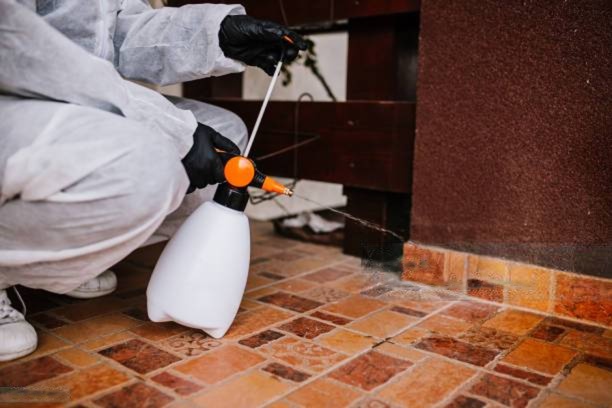
For example, excessive spraying against cockroaches may cause them to move deeper into cracks, wall voids, and inaccessible areas. Professional technicians are trained to apply treatments strategically, using the right product, quantity, and application method.
5. DIY Pest Control Often Misses Hidden Entry Points
Pests return when homeowners remove existing pests but fail to block how new pests enter the property.
Common pest entry points in Kolkata homes include:
- Gaps around plumbing pipes
- Bathroom drainage openings
- Window gaps
- Door spaces
- Wall cracks
- Ventilation openings
Real Example:
A homeowner removes rats using traps. After a few weeks, rats return. If you are asking Why?
Because the original entry point behind the kitchen pipeline was never sealed. Long-term pest prevention requires both Removing existing infestation and Preventing future entry.
6. DIY Methods Ignore Pest Breeding Cycles
Pests often return because eggs, larvae, queens, or hidden colonies survive the initial treatment. Every pest has a different life cycle.
Examples:
| Pest | Why It Returns After DIY Treatment |
|---|---|
| Cockroaches | Egg cases often survive treatment and hatch later, causing the infestation to return |
| Ants | The main colony and queen usually remain active, allowing the infestation to rebuild |
| Bed Bugs | Bed bug eggs can survive many surface treatments and continue the infestation cycle |
| Termites | Hidden termite colonies may continue damaging wooden structures even after visible termites are removed |
| Rodents | Undetected breeding areas and entry points allow rodents to return |
Effective pest control considers the complete pest life cycle, not only adult pests.
7. DIY Pest Control Does Not Include Proper Monitoring
Successful pest control requires follow-up observation because eliminating visible pests does not always mean the infestation is gone. Professional pest management includes:
- Inspection
- Treatment assessment
- Activity monitoring
- Prevention recommendations
This approach is commonly known as Integrated Pest Management (IPM), which focuses on long-term control by combining monitoring, prevention, and targeted treatment.
Common DIY Pest Control Problems Seen in Kolkata Homes
Kolkata’s humid climate and seasonal weather conditions create favourable conditions for many pests.
Cockroaches Returning After Spraying
Common causes:
- Moisture around kitchens
- Drainage issues
- Hidden breeding areas
Termites Damaging Furniture During Monsoon
Common causes:
- Increased moisture
- Untreated wooden structures
- Hidden termite colonies
Ant Infestations In Kitchens
Common causes:
- Food availability
- Wall cracks
- Active colonies nearby
Rodents Entering Apartments
Common causes:
- Open drainage pathways
- Garbage areas
- Unsealed gaps
| Factor | DIY Pest Control | Professional Pest Control |
|---|---|---|
| Inspection | Limited inspection | Complete property inspection |
| Pest Identification | Based on appearance | Based on behaviour and infestation signs |
| Treatment | General pest products | Targeted pest-specific treatment |
| Source Detection | Hidden sources often missed | Entry points and breeding areas identified |
| Safety | Risk of improper use | Professional application methods |
| Prevention | Usually not included | Includes prevention guidance |
| Long-Term Results | Often temporary control | Long-term pest management approach |
If you want to learn more about pest control then read our step by step pest control guide
How Professional Pest Control Works
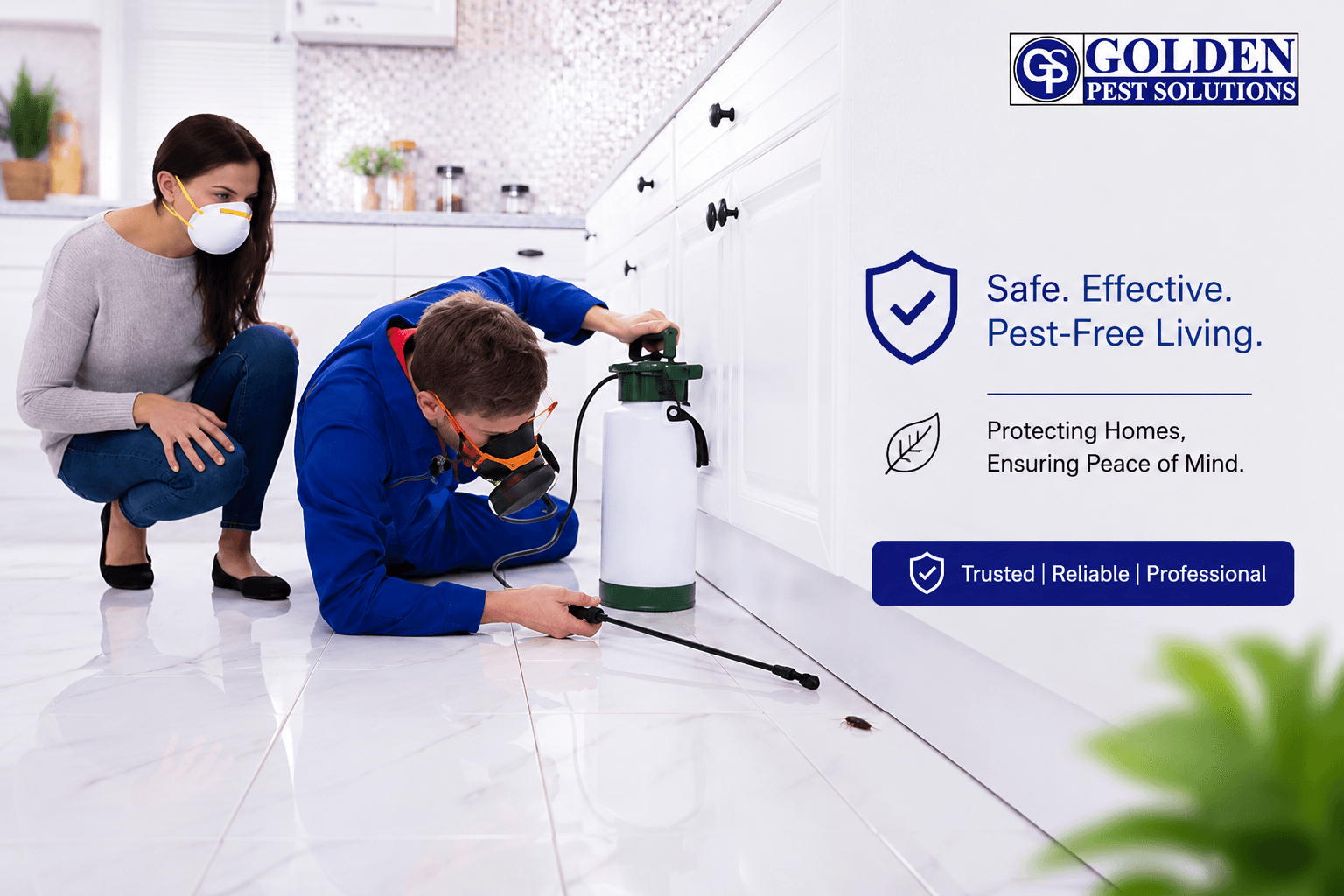
Professional pest control is not just about spraying chemicals and hoping the problem disappears. A proper treatment starts with understanding why pests are entering your home and where they are hiding.
Step 1: We Start With a Detailed Inspection
Before starting any treatment, our technicians carefully inspect your property to understand the infestation. This helps us create a treatment plan based on your actual pest problem instead of using a general approach.
We look for:
- What type of pest is causing the problem and how it behaves
- How serious the infestation is
- Where pests are hiding or breeding
- Possible entry points that allow pests to enter your home
- Conditions that may attract pests in the future
Step 2: We Apply Targeted Treatment
Once we understand the situation, we select the most suitable treatment method for your property. Instead of treating only visible pests, we focus on the areas where pests live, hide, and reproduce.
The treatment depends on:
- The type of pest involved
- Areas where pest activity is found
- The severity of the infestation
- The condition and layout of your property
Step 3: We Help You Prevent Future Infestations
Effective pest control is not only about removing the current problem. It is also about reducing the chances of pests returning. This complete approach helps provide longer-lasting protection for your home.
After treatment, we share practical prevention tips such as:
- Identifying possible entry points
- Reducing pest-attracting conditions
- Maintaining proper hygiene practices
- Monitoring for early signs of activity
Learn more about pest control from our latest bog what is pest control
Watch Our Professional Pest Control Process
See how Golden Pest Solutions professionally inspects properties, identifies pest problems, applies targeted treatments, and follows preventive practices to deliver effective pest control results.
When Should You Stop DIY Pest Control?
DIY methods may help with small isolated problems, but professional treatment is recommended when:
- Pests keep returning
- Infestation spreads
- Termite damage appears
- Rodents enter repeatedly
- You cannot identify the pest
- Home remedies provide only temporary relief
Final Thoughts
Many people who attempt do-it-yourself (DIY) pest control suffer repeated failures. The root cause of this issue is that pest infestations are not merely surface-level problems, but are closely tied to underlying triggering factors including hidden breeding sites, pest entry pathways, and damp environments. DIY products can only deliver temporary relief, while professional pest control services can accurately identify the true root causes and develop long-term solutions. For homeowners in Kolkata who are troubled by recurring pest infestations, compliant professional inspections can pinpoint the causes of repeated outbreaks, with the core goal of eliminating the source of pest breeding rather than only addressing visible traces of pests.